Best Time to Visit Cancún
Cancún has two meaningful seasons: dry (November to April) and wet (May to October). The sweet spot most travelers are looking for is late November to early December — you get the dry-season weather without peak-season prices or crowds. January through March is peak season: expect higher prices, booked-solid restaurants, and crowded attractions.
April is also excellent. Spring Break crowds concentrate at specific Party Center bars, so if you stay out of those a few nights a year, you're fine. Avoid September and October if you can — that's peak hurricane season, and while direct hits are rare, rain and humidity are consistent.
Airport & Arrival

Cancún International (CUN) is the third-busiest airport in Mexico and your likely entry point. It has four terminals — Terminal 3 handles most US carriers, Terminal 4 handles the rest of the international traffic. The terminals are a short shuttle apart.
Immigration can take 45–90 minutes at peak times. Download the Mexico FMM tourist card digitally before flying to skip one step. After customs, ignore every timeshare salesperson wearing a lanyard — they'll be aggressive and look official. They're not.
- Hotel-arranged transfer — most resorts include it for free or at a fixed rate. Safest option.
- ADO bus — $12 USD one-way to downtown. Clean, reliable, scheduled.
- Private transfer — $35–$65 USD to Hotel Zone. Book online in advance to lock the rate.
- Uber/taxi — Uber pickup is limited at the airport. Authorized taxis start at $70+ USD to Hotel Zone.
Where to Stay in Cancún
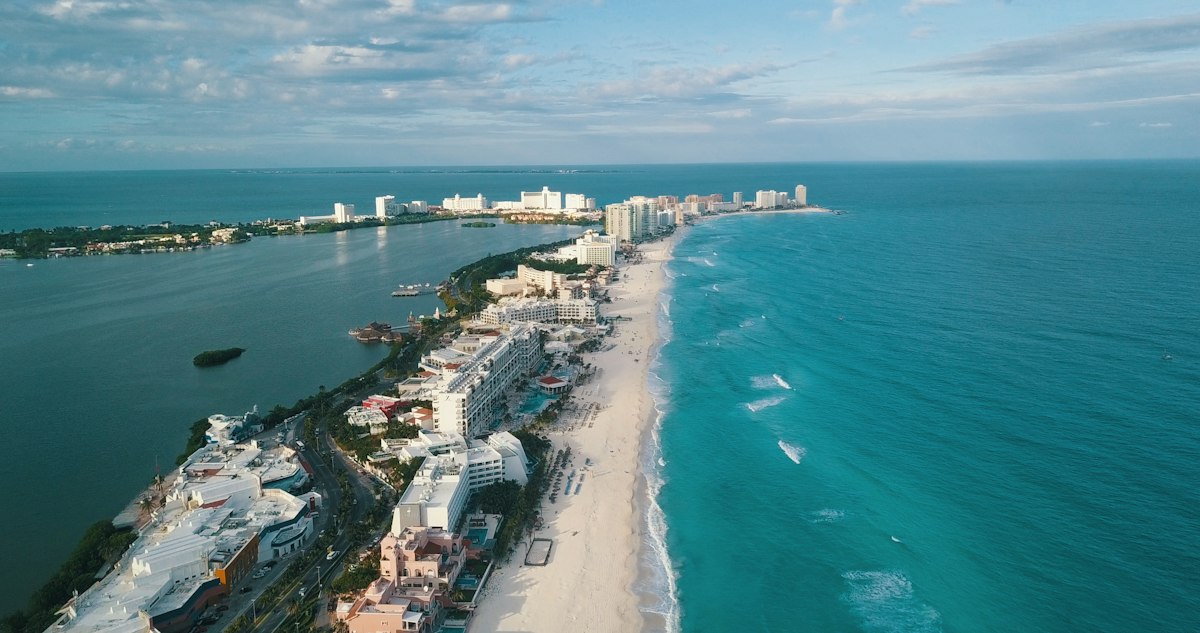
Cancún is really three destinations in one:
- Hotel Zone (Zona Hotelera) — The 14-mile strip most travelers associate with "Cancún." Big beachfront resorts, all-inclusives, and the main nightlife. Higher prices, but you're on the beach.
- Downtown (El Centro) — Where locals live. Better food, way better prices, no beach. Great for culture-focused trips or budget travelers.
- Puerto Juárez / Punta Sam — North of the Hotel Zone, quieter, sargassum-free. Good for families.
Most first-timers should start in the Hotel Zone, specifically between Km 9 and Km 15 — close to everything without being in the center of the party. Browse our curated hotel selection →
Getting Around
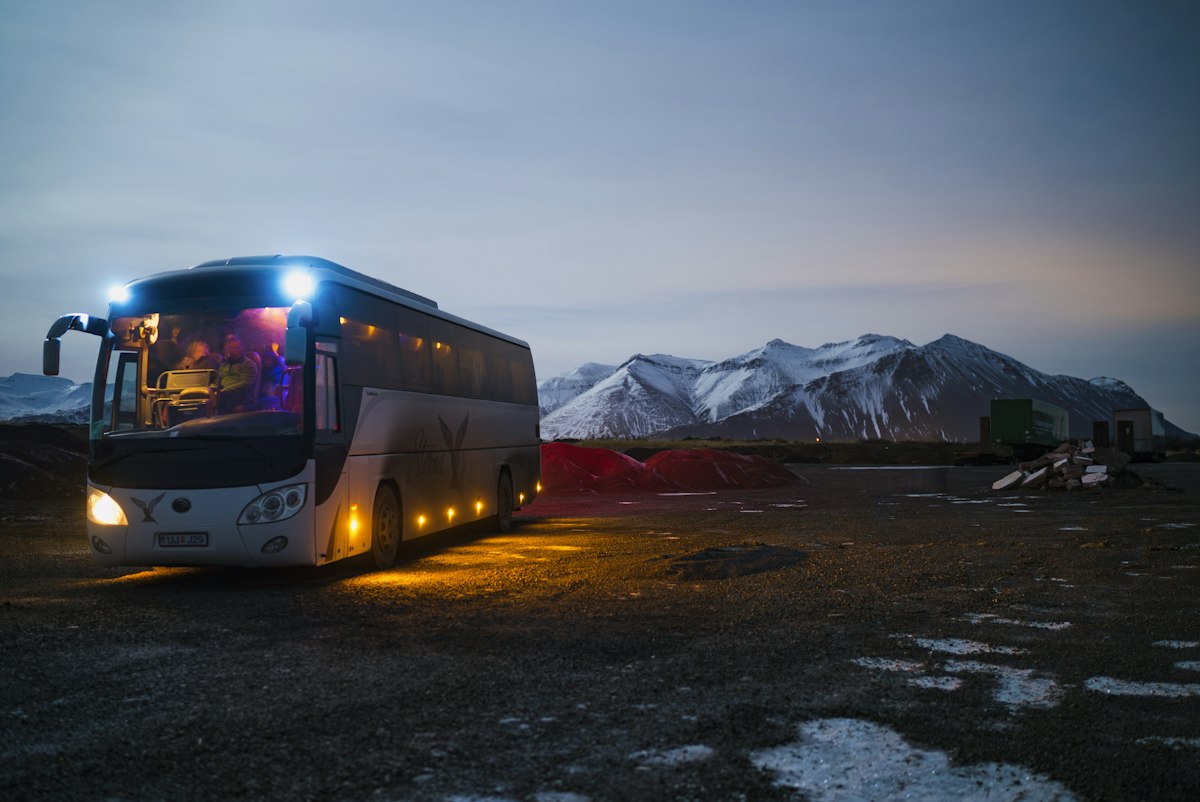
The R-1 and R-2 buses run the full length of the Hotel Zone and continue into downtown. Flat rate, roughly $1 USD, pay the driver in pesos when you board. They come every 5–10 minutes. This is how most locals and smart travelers get around.
Uber works well downtown but has been contested in the Hotel Zone — taxi drivers have pushed back, and pickup can be slow or cancelled. DiDi is a solid alternative. Taxis don't use meters; always agree on a price before getting in.
For day trips (Tulum, Chichén Itzá, cenotes), book organized tours with hotel pickup — cheaper and easier than renting a car, and you avoid the stress of Mexican highway driving.
Money & Tipping
The currency is the Mexican peso (MXN). USD is accepted almost everywhere in tourist zones, but the exchange rate given is usually 10–15% worse than the bank rate. Use an ATM for pesos — stick to bank ATMs inside lobbies, not the free-standing units on streets.
Tipping customs:
- Restaurants: 15–20% if service isn't included (check the bill for "servicio incluido")
- Bars: $1–2 USD or 20 pesos per drink
- Housekeeping: $2–5 USD per day
- Tour guides: 10–15% of tour cost
- Bellhops: $1–2 USD per bag
- All-inclusive staff: Tipping is technically not required but deeply appreciated — bring small USD bills
Safety in Cancún
Tourist areas in Cancún are safe, well-lit, and heavily patrolled by both local police and the National Guard. Tourism is the region's economic engine — the state of Quintana Roo takes it seriously.
That said, normal big-city common sense applies:
- Don't flash expensive jewelry or cash
- Use hotel-arranged transport late at night
- Stick to the main Party Center area if drinking heavily
- Use ATMs inside hotels or banks, not streetside units
- Keep copies of your passport separately from the original
Sargassum Season
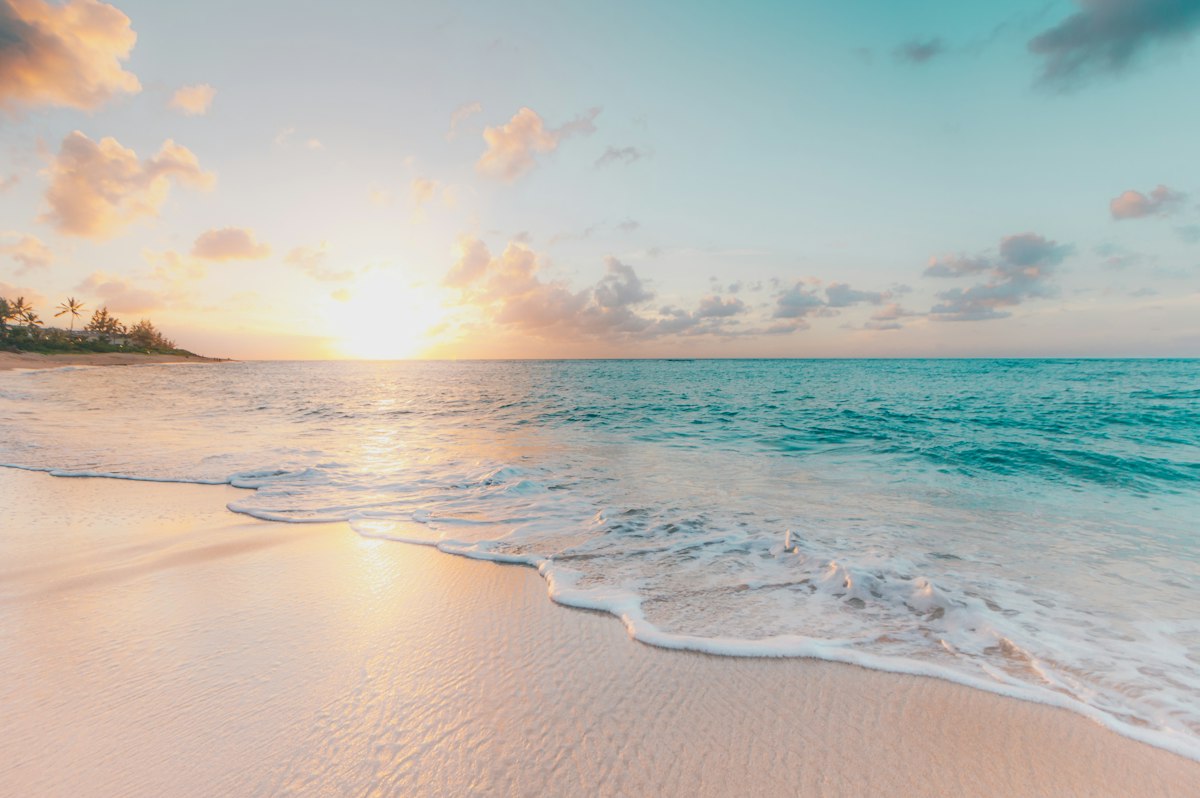
Sargassum is the brown seaweed that blooms in the Atlantic and drifts onto Caribbean beaches from roughly May to September, peaking June–August. It's a natural phenomenon, not a sign of polluted water.
How it affects your trip:
- Some days beaches are pristine; others have significant brown seaweed
- Resorts clean their private beaches daily — public beaches vary
- The water itself is still swimmable, just less inviting visually
- Isla Mujeres (north-facing) and Isla Contoy are much less affected
Check the Sargassum Monitoring Network map before booking. If sargassum matters to you, travel November–April or base on Isla Mujeres.
Food & Water
Yes, you can drink the water — at the Hotel Zone's major resorts, where water is filtered at the property level. For street-food stands and most downtown restaurants, stick to bottled water, which is inexpensive and everywhere.
Food safety tips:
- Eat at places that are busy with locals — turnover means fresh ingredients
- Street tacos are generally safe and excellent; trust the lines
- Avoid tap-water ice at small restaurants (larger places use purified)
- Fresh ceviche is a local specialty — safe at reputable places
Local Customs & Etiquette
Mexicans are warm, social, and family-oriented. A few small things go a long way:
- Greet people with "buenos días / buenas tardes / buenas noches" — it's culturally expected
- "Por favor" and "gracias" open every door
- Haggling at markets is normal; aggressive haggling at restaurants is rude
- Dress modestly at churches and Mayan archaeological sites
- Pace of life is slower — meals take longer, and that's the point
What to Pack
Beyond the obvious swimsuit and sunscreen:
- Reef-safe sunscreen — chemical sunscreens are banned at most cenotes and eco-parks
- Water shoes — essential for cenote swimming
- Light long sleeves — for Mayan ruin visits (heat + sun exposure)
- Bug spray — mosquitoes at dawn/dusk, especially inland
- One dressy outfit — upscale restaurants and clubs have dress codes
- A printed copy of your hotel confirmation — customs sometimes asks
- Cash in both USD and pesos — USD for tipping, pesos for everything else